
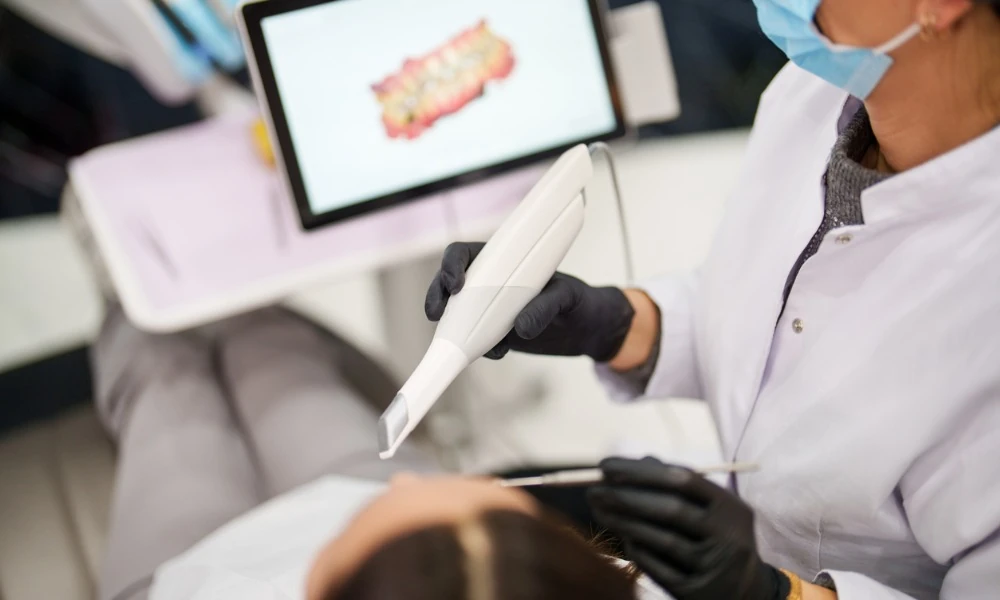
Replacing every tooth in the mouth with implants is one of the larger investments a patient can make in their dental health, and the price tag reflects just how many moving parts are involved. Because “full mouth dental implants” can describe several different treatment approaches, the cost conversation only makes sense once it is broken down by what each approach actually includes.
Patients considering a complete tooth replacement often want to know the cost of full mouth dental implants before committing to treatment. The final amount can vary significantly depending on whether the plan involves implant-supported dentures, a fixed full-arch restoration, or individual implants, as well as the number of implants and type of prosthetic material selected. Additional procedures such as extractions, bone grafting, imaging, and sedation may also affect the overall investment, so a detailed consultation and itemised estimate are essential for accurate budgeting.
What Full Mouth Implants Actually Means
The phrase covers a handful of distinct solutions: an implant-supported overdenture that snaps onto a couple of implants and stays removable, a fixed full-arch bridge such as All-on-4 or All-on-6, or individual implants placed for each missing tooth. Each option uses a different number of implants and a different type of prosthesis, which is the main reason quotes can look so different.
Price Ranges by Approach
An implant-supported overdenture on two implants generally runs seven thousand to thirteen thousand dollars per arch, making it one of the more budget-conscious full-mouth options. A fixed acrylic full-arch bridge typically costs fourteen thousand to twenty-six thousand dollars per arch, while a premium zirconia arch can range from twenty-five thousand to well over thirty-five thousand dollars per arch.
Treating One Arch vs Both
Many patients only need implants on the upper or lower arch, while others need both replaced. Treating both arches together commonly totals somewhere between twenty-eight thousand and seventy thousand dollars or more, depending on which combination of materials and implant counts is used on each side.
What a Complete Quote Should Include
A trustworthy estimate accounts for the surgical placement of the implants, any extractions of remaining teeth, imaging, the temporary prosthesis worn during healing, and the final permanent restoration. When a quoted number looks unusually low compared to others, it is often pricing only the implants and a basic prosthesis, with grafting, sedation, or a material upgrade billed separately later.
It also helps to confirm whether the quote covers follow-up adjustments during the healing period, since a loose or uncomfortable temporary prosthesis sometimes needs to be refitted before the permanent version is ready.
Financing a Full Mouth Restoration
Given the size of the investment, most patients rely on some combination of payment tools rather than paying the entire amount upfront. Third-party medical financing, in-house payment plans spread over the length of treatment, and health savings or flexible spending accounts are all common ways patients manage a full-arch or full-mouth bill.
Some providers also allow treatment to be staged across more than one calendar year, which can let a patient apply two separate annual insurance benefits toward the same overall plan.
Conclusion
Full mouth dental implant costs vary this widely because the category includes genuinely different treatments, not just different price points for the same procedure. Asking a provider exactly which approach they are recommending, and requesting an itemised plan that spells out every stage, is the most reliable way to understand what a full mouth restoration will actually cost.
About The Author


Comments are closed.