
Introduction
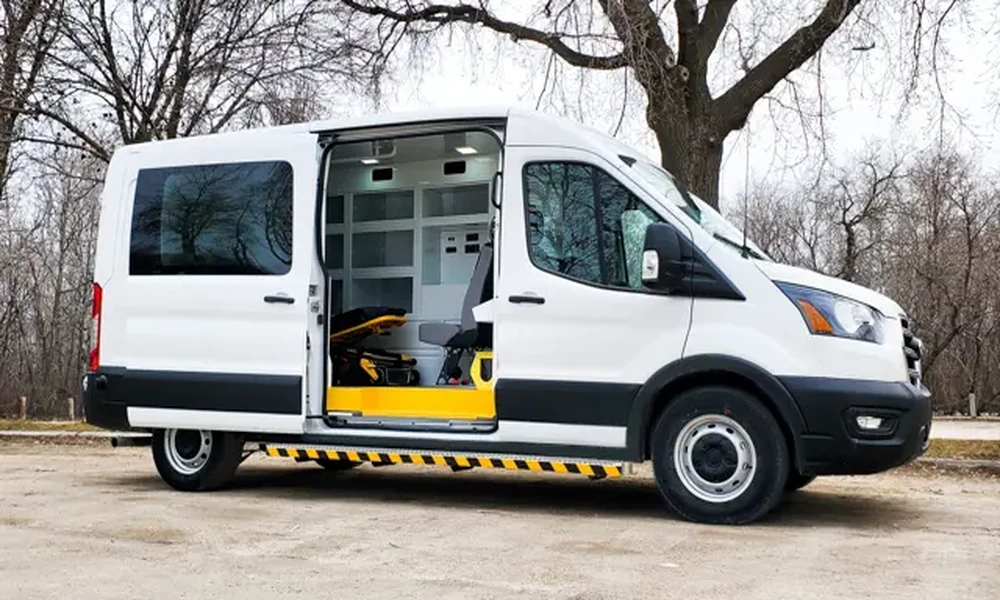
Road-ready healthcare units make it possible to deliver medical services to people who cannot easily visit hospitals or clinics. These mobile facilities help reach rural communities, remote areas, workplaces, schools, and locations affected by emergencies. A well-designed healthcare unit is not only functional but also creates a sense of trust and comfort for patients. Careful planning, safe equipment, and patient-friendly features allow healthcare professionals to provide quality services wherever they travel. Understanding the key considerations for designing these units helps improve patient confidence and supports better healthcare access.
Beyond basic transport, bridging the gap between remote populations and consistent clinical care requires a thoughtful approach to mobile facility architecture. When teams draw upon comprehensive resources like Designing Road Ready Healthcare Insights, they can better navigate the unique spatial constraints, power supply logistics, and regulatory standards essential for mobile medical delivery. By addressing these structural and operational challenges early in the planning phase, healthcare providers ensure their vehicles are fully equipped to withstand continuous travel while remaining fully functional in any environment.
Focus on Patient Comfort and Accessibility
Patient comfort should be a top priority when designing a road-ready healthcare unit. The interior should provide enough space for examinations while allowing patients to move safely. Comfortable seating, proper lighting, good ventilation, and clean surroundings help create a welcoming environment. Accessibility features such as ramps, wide entryways, and easy-to-use equipment allow people of different ages and abilities to receive care without difficulty.
Maintain High Standards of Safety and Hygiene
Healthcare units must follow strict safety and hygiene practices to protect both patients and medical staff. Surfaces should be easy to clean, and medical equipment should be stored securely during travel. Proper waste disposal systems, handwashing stations, and sanitation procedures help reduce the risk of infection. Regular maintenance and safety inspections ensure the unit remains reliable and ready for daily operations.
Equip the Unit for Efficient Care
A road-ready healthcare unit should include the necessary medical equipment and supplies to perform essential healthcare services. Storage spaces should be well organized so healthcare professionals can easily locate and use medical tools and medications whenever required. Reliable power sources, water systems, and communication equipment also help maintain smooth operations. Careful planning improves efficiency and allows medical teams to provide timely treatment.
Create a Professional and Welcoming Environment
The appearance of a healthcare unit influences how patients feel about the care they receive. A clean, organized, and professional environment helps build trust and confidence. Friendly signs, clear instructions, and a well-arranged interior make the experience less stressful for patients. A welcoming atmosphere encourages people to seek medical care without hesitation and supports positive healthcare experiences.
Plan for Long-Term Reliability
Road-ready healthcare units should be designed for frequent travel and regular use. Durable materials, dependable mechanical systems, and routine maintenance help keep the unit operating efficiently. Designers should also consider future upgrades and changing healthcare needs. A reliable mobile healthcare unit can continue serving communities for many years while maintaining consistent service quality.
Conclusion
Designing road-ready healthcare units requires careful attention to patient comfort, safety, accessibility, efficiency, and long-term reliability. These important considerations help create mobile healthcare facilities that provide quality care while building trust beyond the traditional clinic setting. Patients are more likely to seek medical care when they feel safe, respected, and comfortable during their healthcare experience. Well-designed healthcare units improve healthcare access, strengthen community confidence, and support better health outcomes for people in diverse locations.
About The Author


Comments are closed.