
Author

Grel Davis

Browsing

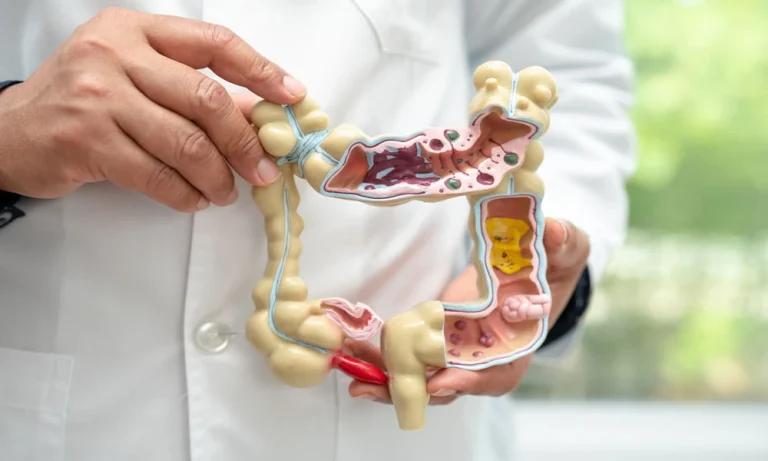
Colonoscopy is a vital screening procedure used to detect colon cancer and other gastrointestinal conditions. While its importance is well recognized in Singapore’s healthcare system, many patients are often surprised by how much the cost of colonoscopy can vary between public hospitals, private hospitals, and specialist clinics.

In Singapore, colonoscopy pricing can range from several hundred dollars in public institutions to several thousand dollars in private settings, sometimes for what appears to be the same procedure. Understanding why these differences exist requires looking at several key factors that influence pricing.

Facility Type: Public Hospitals vs Private Hospitals and Clinics

One of the biggest factors affecting colonoscopy cost in Singapore is the type of healthcare institution. Public hospitals and restructured hospitals generally offer more subsidised rates, especially for Singapore citizens and permanent residents. However, these lower costs may come with longer waiting times.

Private hospitals and specialist gastroenterology clinics typically charge more due to higher operating costs, shorter waiting times, and greater flexibility in scheduling. Private institutions often provide more personalised care, but this is reflected in higher facility fees and professional charges.

Additionally, some private clinics offer bundled pricing that includes the procedure, sedation, and basic pathology fees, while others itemise each component separately, which can significantly affect the final bill.

Insurance Coverage and Medisave Use

Insurance and Medisave coverage play a major role in determining out-of-pocket expenses. In Singapore, colonoscopy is Medisave-claimable up to approved limits, depending on whether it is classified as a screening or diagnostic procedure.

If polyps are found and removed, the procedure is usually considered diagnostic, which may allow for higher Medisave claims but can also increase total costs. Patients with Integrated Shield Plans may enjoy further coverage, but the extent depends on their policy, rider, and whether the procedure is done at an in-panel provider.

Choosing a non-panel private specialist may result in higher co-payments, even with insurance, making it important to verify coverage details beforehand.

Geographic Location Within Singapore

Although Singapore is geographically small, location still matters. Medical facilities located in the central business district or within premium private hospitals often charge higher professional and facility fees compared to those in heartland areas or public institutions.

Operating costs such as rental, staffing, and equipment maintenance tend to be higher in central locations, and these costs are reflected in procedure pricing. While competition among providers exists, patients often prioritise reputation, convenience, and specialist expertise over price alone.

Equipment, Technology, and Specialist Expertise

Not all colonoscopy procedures are identical. Some facilities invest in high-definition scopes, advanced imaging enhancements, and modern endoscopy suites that improve detection rates. While these technologies enhance diagnostic accuracy, they also increase operational costs.

The experience and subspecialty training of the gastroenterologist can also affect pricing. Senior consultants or specialists with advanced expertise may charge higher professional fees. Sedation choice further influences cost, as procedures involving an anaesthetist generally cost more than those using conscious sedation administered by the endoscopy team.

Billing Transparency and Administrative Practices

Differences in billing practices also contribute to cost variation. Some institutions in Singapore provide clear, upfront estimates that include consultation fees, procedure costs, sedation, and basic pathology. Others may bill components separately, such as professional fees, facility charges, and laboratory services.

Unexpected costs can arise if additional biopsies are taken or if pathology fees are higher than anticipated. Administrative issues, such as insurance claim reclassification or documentation gaps, may also affect final out-of-pocket expenses.

How to Manage and Reduce Your Colonoscopy Cost in Singapore

If you are planning a colonoscopy, several practical steps can help manage costs:

  • Request a written cost estimate that includes all possible charges
  • Clarify whether the procedure is screening or diagnostic
  • Check Medisave withdrawal limits and Integrated Shield Plan coverage
  • Ask if the specialist or facility is on your insurer’s panel
  • Compare prices between public hospitals and private clinics

Being proactive can significantly reduce unexpected expenses while ensuring appropriate care.

Conclusion

The wide variation in colonoscopy costs in Singapore is not due to a single factor, but rather a combination of facility type, insurance coverage, Medisave use, specialist expertise, and billing practices. While public institutions offer affordability and subsidies, private facilities provide speed and personalised care at a higher price.

By understanding what drives these cost differences and asking the right questions upfront, patients can make informed decisions that balance affordability, convenience, and quality of care, without compromising their health.


Few subjects in dog ownership generate more heat and less useful information. One camp says raw is what dogs evolved to eat and kibble is processed rubbish. The other says raw is a bacterial hazard with no proven benefit.

Both are overstating it. What’s genuinely established is narrower and more interesting than either position, and if you’re feeding raw or home-cooked – or thinking about it – the practical detail matters far more than the argument.

What actually changes in the gut

This part isn’t controversial. Raw-fed dogs have measurably different gut microbiomes from kibble-fed dogs, and the differences are consistent across studies.

The reasons are straightforward. Kibble contains substantially more carbohydrate and typically more fermentable fibre, both of which favour particular bacterial groups. Raw diets are higher in protein and fat and usually much lower in fibre, which favours others.

Different is not automatically better or worse. What matters more is diversity and stability, and the evidence there is genuinely mixed – some studies find raw-fed dogs have more diverse populations, others don’t.

What owners consistently report is smaller, firmer, less frequent stools. That’s real, and it’s mostly about digestibility and moisture rather than anything profound.

Whichever way you feed, the transition period is where the gut gets tested. Moving between kibble and raw is the largest dietary shift you can ask a dog to make, and it wants three weeks rather than ten days. Running a Dog Gut Health Supplement through the changeover and for a month afterwards gives the population something to work with while it reorganises, which is the same logic as any other diet change – just applied to a bigger one.

The safety question, without the hysteria

Raw meat carries bacteria. Salmonella and campylobacter are the commonly cited ones, and surveys of commercial raw pet food do find them at meaningful rates.

Two separate risks follow, and they’re worth separating.

Risk to the dog. Healthy adult dogs handle bacterial loads better than people do – shorter digestive tract, more acidic stomach. Most cope without incident. Puppies, elderly dogs, and any dog who is immunosuppressed or on chemotherapy are a different matter.

Risk to the household. This is the one public health bodies actually worry about, and it’s the stronger argument. Raw-fed dogs shed bacteria in their faeces and around their mouths whether or not they’re ill. Households with babies, elderly relatives or anyone immunocompromised carry genuine risk.

The practical answer is hygiene rather than avoidance. Separate boards and utensils. Hot washing. Cleaning surfaces properly. Handwashing. Defrosting in the fridge, not on the worktop. Not letting a raw-fed dog lick faces, particularly children’s.

Some settings will refuse raw-fed dogs – certain hydrotherapy pools, some care homes, some therapy dog schemes. Worth knowing before you commit.

Bones, which cause the most harm

More dogs are hurt by bones than by bacteria.

Cooked bones are never safe. They splinter, and they’re a routine cause of emergency surgery.

Raw weight-bearing bones – marrow bones, knuckles, anything from a large animal’s leg – fracture teeth. Slab fractures of the upper carnassial are common and expensive.

Raw non-weight-bearing bones – chicken wings, necks, rabbit – are softer and generally what raw feeders use. Even these carry a choking and obstruction risk, particularly in dogs who bolt.

Ground bone in a prepared complete raw food removes most of that risk, which is one of the arguments for commercial raw over home-assembled.

Watch the ratio. Chalky white, crumbly stools passed with straining mean too much bone. Persistently loose stools usually mean too much fat or organ meat. The stool is the feedback and most raw feeders learn to read it quickly.

Balance is where home-prepared diets fail

The single biggest problem with home-cooked and home-assembled raw, and it’s well documented.

Multiple published analyses of home-prepared recipes – including many circulating online and in books – have found the majority to be nutritionally incomplete. Calcium and phosphorus ratios are the usual failures, along with vitamin D, zinc, copper, iodine and vitamin E.

The consequences are slow. A dog fed an unbalanced diet looks perfectly well for months. Skeletal problems in growing puppies show up faster and are the most serious version – a large-breed puppy on a badly balanced home diet can end up with permanent damage.

If you’re feeding home-prepared, use a recipe formulated by a veterinary nutritionist for your specific dog. Not a recipe from a Facebook group, not one from a book aimed at a general audience. There are consulting services that do this for a modest one-off fee and it’s the difference between a good diet and a slow deficiency.

If you’re feeding commercial raw, look for products meeting the recognised nutritional standards and labelled as complete rather than complementary. Complementary means it isn’t a whole diet, and plenty of people feed it as though it were.

Home-cooked, specifically

Often overlooked as an option and it deserves consideration.

Cooking removes the bacterial risk almost entirely, which addresses the strongest objection to raw. It’s the obvious route for households with young children or vulnerable people, and for dogs whose owners want control over ingredients without the hygiene burden.

The balance problem remains identical, so a properly formulated recipe is just as important.

It also tends to be the answer for dogs with certain medical conditions where commercial options are limited, and for genuinely fussy dogs, and for elderly dogs with poor appetites who’ll eat something warm and aromatic when they won’t touch kibble.

Two practical points. Cooking destroys some vitamins, so a formulated supplement is usually part of the recipe rather than optional. And batch-cook and freeze, because doing it daily is how good intentions die.

Making the switch

Go slowly. Three weeks minimum, in small increments, and slower for a dog with any history of sensitive digestion.

Don’t mix raw and kibble in the same meal during transition – feed them as separate meals, some hours apart. The theory that they digest at different rates is overstated, but plenty of dogs handle it better this way in practice.

Expect a settling period. Stool changes, some wind, occasionally a couple of loose days. Two to four weeks is normal.

Watch the fat content. Raw diets can be considerably higher in fat than the kibble a dog is used to, and that’s the commonest cause of a bad transition. Start with leaner cuts.

Never transition a dog who is unwell, recovering from illness, or on antibiotics. Wait.

Cost, storage and the practical reality

The part that decides whether people stick with it, and the part least discussed.

Cost. Commercial complete raw generally sits above mid-range kibble and below premium prescription diets. Home-assembled can be cheaper if you buy in bulk from a butcher, and considerably more expensive if you buy retail cuts.

Freezer space. More than people estimate. A large dog on raw needs meaningful dedicated freezer capacity, and using the family freezer creates exactly the cross-contamination problem you’re trying to avoid.

Defrosting discipline. In the fridge, on a tray, never on the worktop, and used within a couple of days. This is where most hygiene failures actually happen – not in the handling but in the thawing.

Travel and boarding. Kennels and sitters may decline raw, or lack the freezer space. Holidays need planning. Some owners keep a bag of decent kibble for exactly these situations, which is entirely sensible and not a betrayal of anything.

Time. Portioning, defrosting, washing up properly. Fifteen minutes a day sounds like nothing and it’s the reason a lot of people quietly go back to kibble after six months.

None of that argues against raw. It argues for being honest with yourself about whether you’ll still be doing it properly in two years, because a raw diet managed casually is worse than a decent kibble managed well.

What to watch once you’ve switched

Give it a month, then assess properly rather than on impressions.

Stools. Smaller and firmer is expected. Chalky white and crumbly means too much bone. Persistently loose means too much fat or organ. Both are ratio adjustments rather than reasons to abandon it.

Weight and body condition. Raw is calorie-dense and it’s easy to overfeed. Ribs easily felt, waist visible from above.

Coat and skin. Often the first visible improvement people report, and it takes six to eight weeks to show, so don’t judge at three.

Energy and stool frequency. Fewer stools per day is normal.

Teeth, if he’s getting appropriate raw bones – and check for fractures while you’re looking, particularly the big upper premolars.

Book a check-up at six months and mention what you’re feeding. Some vets will suggest a blood panel, which is a reasonable way to confirm nothing is quietly going wrong with a home-formulated diet.

When raw isn’t the right choice

Worth being straightforward about, because the enthusiasm can override the practicalities.

Pancreatitis. These dogs need controlled low fat, and most raw diets are the opposite.

Exocrine pancreatic insufficiency, without careful veterinary supervision.

Immunosuppressed dogs, including those on chemotherapy or long-term steroids.

Households with infants, elderly or immunocompromised people, unless the hygiene can genuinely be maintained.

Anyone who can’t commit to the storage and handling. A freezer full of raw food managed casually is worse than a bag of decent kibble managed properly.

Growing large-breed puppies, unless the diet is professionally formulated. The margin for error on calcium is narrow and the consequences are permanent.

The honest summary

Plenty of dogs do very well on raw. Plenty do very well on kibble. The evidence for raw being superior for health outcomes is thinner than its advocates claim, and the evidence for it being dangerous is thinner than its critics claim.

What matters more than the format: whether the diet is complete and balanced, whether it suits the individual dog, whether the calories are right, and whether you can sustain it properly for years.

Judge it on the dog. Body condition, muscle, coat, energy, stool quality, and how he is at the annual check-up. Those tell you more than any argument on the internet, and they’re the only evidence that applies to your dog specifically.

Finding the right Traditional Chinese Medicine clinic is often about more than choosing the nearest treatment room. People who search for Singapore Best TCM Clinic Holland Village are usually trying to find a convenient local clinic that combines professional consultation, appropriate treatment options and a comfortable environment. Holland Village is a practical location for residents, professionals and families in the surrounding districts, and having TCM and wellness services in the same neighbourhood can make regular appointments easier to fit into a busy Singapore routine.

Kelly Oriental is a TCM and wellness centre in Holland Village with services that include TCM consultations, acupuncture, customised Chinese medication, Traditional Chinese Tuina and a range of massage and body treatments. The clinic is located at 269 Holland Avenue, Singapore 278990. Rather than treating the word “best” as a universal ranking, it makes more sense to look at the factors that determine whether a clinic is the right fit for your own needs.

What Makes a Good TCM Clinic in Holland Village?

A useful way to compare TCM clinics is to start with the consultation process. Traditional Chinese Medicine typically takes a broader view of the individual instead of focusing only on a single symptom. A practitioner may ask about the duration of a concern, daily routines, sleep, appetite, digestion, activity levels, stress and other factors that provide context. The purpose is not to make every appointment complicated; it is to understand enough about the person before suggesting an appropriate treatment approach.

Kelly Oriental lists several TCM consultation and acupuncture services, including standard, complex, special and tele-consultation formats. It also lists customised Chinese herbal prescriptions and multiple acupuncture options. Having a consultation before selecting a treatment can be especially useful for people who are new to TCM and are not sure whether they should be considering acupuncture, Tuina, cupping or another approach.

Professional Standards Matter in Singapore

Local context matters when choosing a TCM provider. In Singapore, people who practise TCM must meet the country’s registration requirements. The Ministry of Health Health Professionals Portal explains that a person who wishes to practise TCM in Singapore must be registered with the Traditional Chinese Medicine Practitioners Board and hold a valid practising certificate. This is an important point for consumers because it provides a clear professional framework for TCM practice in the country.

The Traditional Chinese Medicine Practitioners Board register also distinguishes registered TCM physicians and registered acupuncturists. When you are comparing clinics, you can therefore look beyond advertising language and focus on practical signs of professionalism: clear consultation, transparent communication, an explanation of what is being recommended and an environment where you can ask questions freely.

Look for a Range of Treatment Options, Not a One-Size-Fits-All Package

TCM is not limited to acupuncture. Depending on the individual and the practitioner’s assessment, a wellness plan may involve acupuncture, herbal approaches, manual therapy or complementary techniques. A clinic with several options can be convenient, but variety should never mean that every client needs every available treatment. The value comes from having choices that can be discussed and selected according to individual needs.

Kelly Oriental’s wider service menu brings together Traditional Chinese Tuina and massage treatments with TCM-related bodywork such as Meridian Bojin, Gua Sha and cupping. Someone interested in traditional manual therapy may prefer Tuina, while another person may simply want a gentler massage session. A person with a more complex concern may prefer to begin with a TCM consultation before deciding what kind of treatment to book.

Acupuncture as Part of TCM Care

Acupuncture is one of the most recognised elements of TCM, but first-time clients often have practical questions. They may want to know how long the session lasts, which areas are treated, what sensations to expect and whether there are circumstances in which acupuncture is not suitable. These are reasonable questions, and a good consultation should give you space to raise them.

Kelly Oriental currently lists standard acupuncture, multiple-area acupuncture and several specialised programmes on its TCM service page. The exact treatment should be based on assessment rather than on which service sounds most impressive. If acupuncture is recommended, ask what the objective is, whether there are precautions to follow and when the practitioner expects to review how you are responding.

Chinese Herbal Medicine and Informed Use

Chinese herbal medicine is another area where communication is important. If a practitioner is considering a herbal prescription, provide a complete list of prescription medicines, over-the-counter products and supplements you already use. “Natural” does not automatically mean that a product is appropriate for every person or that it cannot interact with other medicines.

Singapore’s HealthHub guidance on Chinese proprietary medicine provides consumer information on products used within the TCM system. This kind of authoritative information is useful because it encourages people to think about safe, informed use rather than assuming that every traditional remedy is automatically risk-free. If you are unsure about a herbal product, ask what it contains, how it should be taken and when its use should be reviewed.

Traditional Chinese Tuina and TCM Massage

Some people searching for a TCM clinic are primarily interested in hands-on treatment. Traditional Chinese Tuina is one option. It differs from a purely relaxation-focused spa massage because the therapist may use a range of manual techniques according to the individual’s needs. Pressure preference and comfort still matter, and stronger pressure should never be treated as automatically better.

Kelly Oriental offers Chinese Traditional Tuina in 60- and 90-minute formats. The same centre also lists deep tissue, hot stone and gentler massage options. This gives clients a practical choice between traditional bodywork and more conventional massage styles. Before a session, tell the therapist about recent injuries, surgery, pregnancy, medication that affects bruising or bleeding, and any areas you want avoided.

Complementary TCM Wellness Treatments

A comprehensive TCM centre may also offer complementary techniques such as Gua Sha, cupping, Meridian Bojin or moxibustion-related treatments. These can be interesting to people who already have experience with TCM or who want to explore traditional wellness practices. However, a treatment should be chosen because it is appropriate for the individual, not simply because it is popular online.

For example, cupping or Gua Sha may leave temporary visible marks. This is something worth knowing if you have an event, photoshoot or work commitment soon after treatment. Ask what to expect, what aftercare is recommended and whether any medical condition or medication changes the suitability of the treatment.

Why Holland Village Is a Practical Location for Regular Care

Convenience has a direct effect on whether people actually maintain a wellness routine. A clinic that requires a long journey can be difficult to revisit regularly, especially for people balancing work, family and other responsibilities. Holland Village is a familiar lifestyle and residential area, so a clinic there may suit people living or working nearby as well as those who frequently visit the neighbourhood.

Kelly Oriental describes itself as a Holland Village TCM and wellness provider. Its location at 269 Holland Avenue means an appointment can potentially be combined with other plans in the area rather than requiring a separate cross-island trip. For someone comparing several otherwise similar clinics, accessibility can be a meaningful advantage.

What to Ask Before You Book

Before your first appointment, ask what type of consultation is recommended, how long it is likely to take and whether the treatment you are considering requires an assessment first. Explain your main concern briefly when booking so the clinic can guide you towards the most suitable appointment format. It is also sensible to ask whether the practitioner needs information about medication, pregnancy, recent procedures or existing health conditions.

During the appointment, pay attention to communication. You should be able to understand what is being recommended and why. You should feel comfortable saying that you prefer lighter pressure, that you do not want a particular area treated or that you need more explanation. A professional wellness experience is collaborative rather than one-sided.

TCM as Part of a Broader Wellness Approach

Traditional and complementary medicine can be part of a person’s broader approach to wellbeing, but it should not delay appropriate medical evaluation when symptoms are severe, sudden, persistent or unexplained. Singapore’s HealthHub information on traditional and complementary medicine is a useful reminder to approach these therapies thoughtfully and to consider the available evidence and individual medical circumstances.

If you experience severe chest pain, breathing difficulty, sudden weakness, major injury, high persistent fever or another potentially urgent problem, seek appropriate medical care rather than booking a routine wellness treatment. TCM and conventional healthcare do not have to be treated as competing choices; the priority is using the right level of care for the situation.

Finding the Right TCM Clinic for You

When people type “Singapore Best TCM Clinic Holland Village” into a search engine, they are rarely looking for an abstract award. They usually want a place that is professional, accessible and able to offer suitable options without making the experience confusing. That is why consultation quality, practitioner standards, service range, communication and location are more useful comparison points than a simple “best” label.

Kelly Oriental brings TCM consultations, acupuncture, Chinese medication, Tuina, massage and complementary wellness treatments together in Holland Village. For local residents and people who spend time around the area, the combination of location and service variety makes it a practical option to consider. The right clinic is ultimately one where you understand the proposed approach, feel comfortable asking questions and receive care that is adapted to you rather than a one-size-fits-all package.

A breathing practice does not need a studio commute or a large block of free time. With clear guidance and a stable place to sit or lie down, a person can create a purposeful pause at home, in a quiet office, or while traveling. Digital access makes the practice easier to place inside real life.

The strongest benefit of an online format may be repeatability. A session can begin before the first meeting, between demanding tasks, or as the day slows. Op e n supports that flexibility with guided breathwork alongside meditation, movement, music, and sound.

Why the Setting Still Matters

Online access removes distance, but the physical environment remains important. Choose a place where breathing can happen without interruption. Sit in a supportive chair or settle on a mat. Loosen restrictive clothing and keep the room at a comfortable temperature.

Headphones can make spoken cues easier to follow, but the screen does not need constant attention. Once the technique is understood, let the eyes close or soften if that feels safe. A simple digital session should direct awareness toward the body, not hold attention on the device.

A short three-minute guided breathing exercise from UCLA Health shows how a brief format can create a clear pause. The example is a useful reminder that duration alone does not determine whether a practice fits the day.

Article image

Match the Technique to the Need

Different breathing patterns can feel calming, balancing, or activating. A slower exhale may suit an evening transition. Even counting can provide structure during a tense afternoon. Diaphragmatic breathing can help a beginner notice movement around the lower ribs and abdomen rather than lifting only through the upper chest.

Op e n’s guided online breathwork experiences give practitioners a way to explore varied approaches without having to build every session from scratch. The wider platform also allows a breathing practice to lead into meditation or mindful movement, making the routine feel more complete.

Begin with a clear intention but avoid demanding a specific outcome. “I will follow this practice for five minutes” is within the practitioner’s control. “I must feel calm by the end” is not. A neutral attitude makes it easier to observe the actual response.

Create a Repeatable Digital Ritual

Choose one cue, one place, and one starting session. The cue might be closing an email inbox at lunch. The place might be a chair by the window. The session might last five or ten minutes. Keep that combination steady for a week before adding more choices.

Article image

When travel or a changing schedule interrupts the usual setup, keep only the cue. The chair can become the edge of a hotel bed, and headphones can replace a quiet room. This portable version protects continuity without pretending every day offers ideal conditions. Returning in a reduced form is still returning.

Afterward, record one brief observation: energy rose, shoulders softened, attention steadied, or nothing obvious changed. All are valid information. This note can help identify which practices suit different times without turning the process into a complicated tracker.

The Cleveland Clinic’s guidance on diaphragmatic breathing explains how this form of breathing uses the diaphragm and provides a step-by-step starting position. It also notes that practice becomes easier over time. That principle applies broadly: familiarity reduces the mental effort required to begin.

Put Safety Before Intensity

Practice while seated or lying in a stable place. Never follow breathing exercises while driving, in water, or during a task that requires full attention. Stop if dizziness, tingling, pain, panic, or unusual discomfort appears.

Pregnant people and anyone with an acute or chronic health condition should consult a healthcare professional before trying breath holds, fast breathing, or other intensive techniques. Online convenience should not remove personal judgment.

Article image

Frequently Asked Questions

Can a beginner learn breathwork online?

Yes. Start with a clearly guided beginner session, keep the duration short, and choose gentle pacing.

Is a camera required?

Usually not for on-demand practice. The key needs are a safe setting, audible instruction, and enough room to sit or lie comfortably.

What if no change is noticeable after one session?

That is completely normal. Treat the first sessions as practice in attention and technique rather than a test of results.

Make the Next Pause Easier to Begin

Digital access works best when it removes friction without encouraging intensity. Explore Op e n, choose a guided session suited to the moment, and build a simple routine that can travel from one ordinary day to the next.

Meditation has long been celebrated for its calming effects on the mind and body. But when paired with movement, nature, and water, it becomes something extraordinary. That’s the essence of SUP yoga, a blend of stand-up paddleboarding and yoga that enhances mindfulness through balance and flow. At Le SHED Studio, this practice transforms traditional meditation into a deeply immersive, science-backed experience called floating meditation.

Here’s how SUP yoga redefines relaxation and why science supports its powerful impact on stress, balance, and mental clarity.


1. The Role of Water in Mind-Body Regulation

Water naturally triggers a state of calm and restoration. The rhythmic movement of water engages the parasympathetic nervous system—the part of the brain responsible for rest and recovery.

Scientific connection:

  • The sound and motion of water lower cortisol (stress hormone) levels.
  • Floating environments help reduce heart rate and blood pressure.
  • Water’s gentle resistance provides sensory feedback that grounds the body.

SUP yoga leverages these effects by placing the practitioner directly on the water, enhancing relaxation through constant, natural motion.


2. Balance and Proprioception Training

Practicing yoga on a paddleboard requires focus, stability, and awareness of your body’s position in space—a process known as proprioception. This type of physical engagement has significant neurological benefits.

How it works:

  • Constant micro-adjustments strengthen stabilizer muscles.
  • The brain refines motor coordination and spatial control.
  • Neural pathways related to focus and posture become more active.

3. Enhanced Mindfulness Through Instability

Traditional yoga takes place on solid ground, where movement is predictable. On water, every pose demands complete attention. This heightened awareness creates a deeper meditative state.

The science behind it:

  • Unstable environments force the brain to stay present in each moment.
  • Attention shifts from abstract thought to physical sensation.
  • The combination of movement and mindfulness amplifies cognitive focus.

This dynamic equilibrium cultivates the essence of meditation—presence, awareness, and surrender.


4. The Neurochemistry of Flow

Floating meditation on a paddleboard often leads to what psychologists call a flow state—a mental zone of effortless concentration and joy.

Neurological benefits include:

  • Release of dopamine and endorphins, improving mood and creativity.
  • Increased alpha brain waves associated with relaxation and focus.
  • Lower activity in the amygdala, reducing anxiety and fear response.

5. Physical Benefits of SUP Yoga

Beyond relaxation, SUP yoga strengthens the body through gentle, full-body engagement. Each movement activates muscles that traditional yoga might overlook.

Physical advantages:

  • Stronger core, legs, and stabilizers due to continuous balance adjustments.
  • Improved posture and alignment from mindful engagement.
  • Enhanced flexibility and coordination in a low-impact setting.

The water’s natural resistance adds subtle challenge without strain, making SUP yoga a holistic workout for all fitness levels.


6. Connection with Nature and Breath

Practicing yoga on open water connects participants with the natural environment in a way indoor studios can’t replicate. Sunlight, fresh air, and open horizons work together to enhance respiratory and mental clarity.

Why it matters:

  • Fresh air increases oxygen flow and endorphin production.
  • Natural light boosts serotonin, improving overall mood.
  • Nature exposure reduces mental fatigue and enhances mindfulness.

7. Emotional Reset Through Movement and Stillness

Floating meditation creates a rhythm between movement and stillness. As the paddleboard shifts gently under the body, tension is released through balance, breath, and awareness.

Emotional outcomes:

  • Reduced anxiety through mindful movement.
  • Improved emotional regulation from rhythmic breathing.
  • Deep sense of tranquility achieved through natural motion.

This fluid transition between balance and surrender mirrors life itself—teaching emotional adaptability and resilience.


8. The Science of Floating Meditation

Recent studies on aquatic mindfulness practices reveal measurable physiological benefits similar to traditional meditation—but with enhanced engagement.

Research-backed effects:

  • Up to 30% faster reduction in stress hormone levels compared to land-based yoga.
  • Improved vagal tone (a marker of nervous system balance).
  • Greater cognitive calm and body-mind integration.

Floating meditation works by synchronizing brainwave rhythms with the natural oscillation of water, producing a unique meditative resonance.


Final Thoughts

SUP yoga isn’t just another fitness trend—it’s a scientifically grounded practice that unites the elements of balance, mindfulness, and nature. It merges the physical precision of yoga with the fluid calm of water, creating one of the most effective relaxation techniques available today.

Dermal filler penis enhancement is turning into an increasingly more popular choice for men who want to enhance their confidence and look with out undergoing invasive surgical treatment. At Loria Medical USA, this technique makes a specialty of the usage of secure, medically accepted dermal fillers to boom girth and enhance the general appearance of the penis. Unlike conventional surgical strategies, dermal fillers offer a minimally invasive method with little downtime and herbal-looking results. Understanding what the manner involves is step one in identifying whether it’s miles proper for you.

How Dermal Fillers Work in Penis Enhancement

Dermal fillers are injectable materials that upload volume underneath the skin. When used for penis enhancement at Loria Medical USA, the fillers are carefully positioned underneath the penile pores and skin to increase girth and create a extra proportionate look. The procedure is finished with the aid of trained scientific specialists who prioritize precision and protection. Since the filler is injected just under the skin, sufferers typically revel in a smoother and greater uniform result compared to other strategies. This technique additionally lets in for gradual changes if extra extent is desired in the future.

Benefits of Dermal Filler Penis Enhancement

Men select dermal filler penis enhancement at Loria Medical USA for numerous reasons. One of the primary benefits is the minimally invasive nature of the technique. There aren’t any surgical incisions, which reduces the dangers and restoration time. Many patients also recognize that the outcomes are instant, with increased girth visible proper after treatment. Another advantage is customization—the quantity of filler may be tailor-made to meet every affected person’s desired final results. For men who value privacy, the fast procedure and minimum downtime make it easier to in shape into a hectic agenda without drawing interest.

What to Expect During the Procedure

Before the remedy, patients at Loria Medical USA have a private session to speak about their desires and medical records. During the manner, a topical anesthetic may be applied to reduce discomfort. The dermal filler is then injected using nice needles in unique places alongside the shaft. Most remedies take less than an hour, making it a handy option for men who want sizeable effects without an extended restoration length. Patients can usually go back to their everyday habitual inside a quick time, although following submit-treatment commands is important for the pleasant final results.

Safety and Professional Standards

Safety is a top priority at Loria Medical USA. All dermal fillers used for penis enhancement are super and medically accepted for their meant use. The procedure is carried out in a medical setting via experienced professionals who follow strict safety protocols. Detailed aftercare instructions are given to lessen the risk of complications and make certain the effects heal well. Patients also are scheduled for observe-up visits to screen development and cope with any questions or issues.

Results and Longevity of Dermal Fillers

One of the main questions guys have about dermal filler penis enhancement is how long the consequences will final. At Loria Medical USA, outcomes vary depending at the type of filler used and person factors consisting of metabolism and life-style. In fashionable, patients can anticipate their greater look to remaining for months or maybe years with proper care. Touch-up treatments can be scheduled to hold or in addition enhance the outcomes over time. This flexibility is attractive for men who need to manage their look in a non-everlasting but long-lasting way.

Is Dermal Filler Penis Enhancement Right for You?

Deciding to undergo dermal filler penis enhancement is a personal choice. At Loria Medical USA, the focal point is on presenting accurate records, practical expectations, and professional care. During your session, you can ask questions, assessment before-and-after examples, and study the advantages and obstacles of the procedure. This ensures you feel confident and properly-informed before making a decision. By deciding on a trusted issuer like Loria Medical USA, you may take an critical step in the direction of improving your confidence and satisfaction with your appearance.

This post was written by a professional at Loria Medical USA. Dr. Victor Loria introduces an innovative and groundbreaking approach to Penile Shaft Girth Enhancement, known as the Platinum Method. This advanced, non- invasive technique employs a Permanent Dermal Filler Injection, exclusively available at Loria Medical Cosmetic Centers and their affiliated locations across the United States. Click here to learn more about male enhancement injections florida services!

Preventing complications is a fundamental objective in modern healthcare, where patient safety and recovery rely on the coordinated efforts of interdisciplinary medical teams. Through collaboration and adherence to evidence-based practices, healthcare professionals deliver timely and effective care while mitigating risks. Below are five strategies medical teams employ to prevent complications.

Implementing Evidence-Based Protocols

Standardized, evidence-based protocols play a critical role in reducing treatment variability and improving patient outcomes. These protocols, developed through rigorous clinical research, provide clear guidelines for managing medical conditions. By adhering to these standards, medical teams can streamline care delivery and minimize errors. Examples include sepsis care bundles, surgical safety checklists, and infection prevention measures, all of which have significantly decreased preventable complications and improved patient safety in healthcare settings.

Prioritizing Effective Communication

Effective communication is essential for ensuring patient safety. Medical teams utilize structured frameworks, such as SBAR (Situation, Background, Assessment, Recommendation), to facilitate the efficient exchange of critical information. Interdisciplinary rounds, where care providers review patient progress collaboratively, further enhance teamwork and reduce the likelihood of miscommunication. The importance of communication in reducing complications has been demonstrated through initiatives such as the WHO Surgical Safety Checklist, which resulted in a global reduction in surgical complications and mortality.

Leveraging Advanced Technology

Technology has become a cornerstone of complication prevention in healthcare. Electronic health records (EHRs) enhance coordination by providing streamlined access to patient data. Predictive analytics tools allow for the identification of high-risk patients, enabling proactive interventions. Additionally, innovations such as telemedicine platforms, wearable health monitors, and machine learning algorithms provide real-time, personalized data. These advancements empower healthcare teams to make informed decisions, ultimately transforming how complications are managed and mitigated.

Investing in Ongoing Training and Simulations

Continuous education and simulation-based training are vital for equipping healthcare teams to handle high-risk scenarios effectively and efficiently. Simulation exercises help refine technical skills while fostering teamwork, communication, and crisis management. By practicing emergency situations, such as cardiac arrests, surgical complications, or severe trauma cases, in controlled environments, medical teams develop confidence, preparedness, and adaptability. This commitment to regular, hands-on training translates to improved patient outcomes, enhanced readiness for real-world challenges, and better collaboration among multidisciplinary team members.

Creating a Culture of Accountability

A culture of accountability is critical for complication prevention. High-performing healthcare teams prioritize open communication and encourage the reporting of near-misses and adverse events in a non-punitive environment. This approach allows teams to learn from errors, share insights, and implement evidence-based improvements. By fostering trust and transparency, healthcare organizations build systems that prioritize patient safety and support continuous improvement in care delivery.

Preventing complications involves using evidence-based practices, clear communication, advanced technology, and continuous education. Dr. Bonnie Richardson, a nephrologist and associate professor at the University of Saskatchewan, exemplifies these principles through her dedication to collaborative and patient-centered care. Bonnie Richardson Linas Rumeliauskas, a distinguished Fellow in Internal Medicine and Nephrology from the Royal College of Physicians and Surgeons of Canada, has spearheaded groundbreaking advancements in kidney care. By fostering innovation and accountability, medical teams promote safer healthcare and better outcomes for patients.

In today’s fast-paced world, many individuals are searching for natural ways to support their well-being and relaxation. Clouds For Less has become a trusted source for high-quality plant-based herbal products that offer a unique and effective alternative to synthetic solutions. With a focus on purity, potency, and convenience, their selection of herbal formulas provides customers with options that fit into a modern lifestyle.

One of the standout offerings is the premium kratom extract tablets, designed for those who want a consistent and easy-to-use format. These tablets are carefully crafted to deliver a reliable experience, making them a popular choice among individuals who value both effectiveness and simplicity.

For users who prefer concentrated formulas, the 7-hydroxymitragynine capsules are an advanced option. These capsules provide a highly refined extract, offering a stronger and more targeted effect. Each serving is precisely measured, ensuring that customers receive a consistent dosage without the guesswork that often comes with raw powders.

Beyond capsules and tablets, the brand also emphasizes innovation with fun and accessible choices like kratom gummies for relaxation. Gummies are perfect for those who enjoy a flavorful, discreet, and convenient way to experience herbal support. They combine enjoyable taste with calming benefits, making them especially appealing to individuals new to plant-based wellness.

All products are rooted in the philosophy of offering plant-based herbal alternatives that fit seamlessly into daily life. Rather than relying on artificial or heavily processed solutions, these natural formulations are designed to work in harmony with the body, promoting balance and relaxation.

Consumers seeking effective, natural, and convenient wellness products can find a wide variety of options that align with their lifestyle needs. With a strong commitment to quality, Clouds For Less continues to set the standard in providing reliable herbal supplements for both new and experienced users alike.

As a long time swimming blogger, I have watched many children learn to swim in many settings. Big leisure centres. Busy public sessions. Boutique swim schools. After years of visits and reviews, one truth keeps showing up. Children progress faster in a warm, private pool. In this post I will explain why that setting supports better swimming lessons for kids, what to look for if you are searching for swimming lessons near me, and why I recommend MJG Swim for families who want swimming lessons in Leeds.

The parent’s goal

Parents want three things from swimming lessons. They want their child to be safe in and around water. They want solid technique that lasts. They want a setting where their child feels calm and ready to learn. When a pool is warm and private, all three goals are easier to reach.

Why water warmth matters for young swimmers

Warm water is not a luxury for a child who is learning to swim. It is a key part of the learning space. When a child steps into warm water, the body does not tense. Muscles stay loose. Breathing stays steady. The focus stays on the teacher and the task. There is no shock. There is no urge to rush. The lesson gets more time on the skills that count.

Cold water can lead to hunching and short, shallow breaths. You see stiff arms and tight shoulders. Kicking turns into a splash rather than a steady drive from the hips. Warm water helps the child keep a better body line. It makes it easier to float, to glide, and to hold a steady kick. Good swimming lessons build these habits early. Warmth helps the body find them and keep them.

The focus advantage of a private pool

A private pool reduces noise, movement, and crowding. That helps a child tune in to the teacher. It also helps the teacher track each child. The teacher can see what is going on in the water at all times and make quick, clear adjustments.

In large public sessions there is often a swirl of lane ropes, inflatables, and passing groups. That can distract even the most confident child. A private pool strips away the clutter. The result is a clean, quiet lesson. That is the best ground for learning core skills like body position, breathing control, and a steady kick rhythm.

Fewer children in the water, more time on task

Small groups are a natural fit for a private pool. With fewer bodies in the water, each child gets more turns and more feedback. A teacher can stand at arm’s length and guide hand shape, elbow height, or kick width. The teacher can offer a simple cue at the exact moment it is needed. That frequency of feedback helps the lesson stick. It also helps with confidence. A child who feels seen and supported will try hard things and enjoy the process.

If you are weighing options for swimming lessons near me, look at the group size. Ask how often each child swims during the set. Ask how the lesson rotates skills to keep the body working and the mind engaged. Small and focused beats large and loose every time.

Calm children learn the right habits first time

A warm, private setting helps teachers build skills in the right order. That order often looks like this:

  • Face in the water with relaxed breathing
  • Flat body line with a long stretch from fingertips to toes
  • Kick from the hips with steady ankle movement
  • Simple arm shapes that do not cross the midline
  • Smooth timing between pull, breath, and kick

When children are warm and calm, they can hold each shape a little longer. They can feel what works. They can recover between tries without shivering on the side. These small details make a big difference to progress in the first 10 lessons.

Why this matters for nervous swimmers

Many children arrive at their first swimming lesson with nerves. A private, warm pool helps them step in at their own pace. The sound is softer. The space is smaller. The teacher can kneel and make eye contact. The first task can be a simple game. The child learns that the water feels safe and predictable. Once that belief is in place, skill work can begin.

In a large public pool, a nervous child can feel lost. The water seems vast. Noise bounces from the walls. The echo of whistles and shouts can make it hard to hear the teacher. That setting can slow down early gains. Warm water and a private setting remove those barriers.

Technique grows on simple cues

Children learn best with short cues. Press your chest. Hide your head. Long legs. Soft ankles. Big toes touch. Private lessons or small groups mean the teacher can give those cues at the right second. A private pool also lets the teacher stand in positions that are not possible in a packed lane. The teacher can hold the child’s hands and set the glide. The teacher can stand by the hip and shape the kick. The correction is simple and direct. Good swimming lessons rely on that kind of contact.

If you want a school that works in this way, take a look at the Lessons page and see how sessions are structured, how groups are set, and how teachers run progress checks.

The comfort loop that drives progress

I often describe a loop that I see in strong children’s swimming lessons:

Comfort leads to focus.
Focus leads to quality.
Quality leads to progress.
Progress leads to confidence.
Confidence leads to more comfort.

Warmth and privacy kick start that loop. When a child is comfortable, attention sticks to the task. Quality rises. Progress follows. The child leaves the lesson proud and excited to return. Parents notice the difference week by week. That is what we all want from swimming lessons for kids.

A clear path for early stage skills

A good swim school will use the warm, private pool to build skills in bite size steps. This is a simple path I like to see:

  • Water respect and safe entry
  • Bubble breathing and face immersion
  • Floating front and back with support
  • Streamlined push and glide
  • Kick drills front and back with a board
  • Backstroke arm timing
  • Front crawl arm recovery and catch shape
  • Breaststroke kick pattern on land and then in water
  • Endurance sets in short repeats

A private space makes each step easier to teach. There is room to pause, explain, and try again. There is time to celebrate the small wins. The teacher can plan the next step based on what happened today, not what the timetable demands in a busy public set.

The value of consistent pool conditions

Children thrive on routine. In a private pool, the depth, temperature, and layout are consistent week after week. That consistency helps teachers plan the exact drills they want, and it helps children feel at ease from the first minute of the session. In public pools, lanes move, sessions change, and public swim timetables often clash with lesson slots. That change slows down the rhythm of learning. For parents searching for swimming lessons near me, consistency is not a minor perk. It is a driver of quicker, steadier progress.

A better experience for parents

Parents are part of the learning team. In a private swim school, you can often sit close to the water. You can see and hear the lesson. You can spot the cues the teacher uses. On the way home you can echo those cues. Keep your face down. Long legs. Slow arms. This can turn bath time into a small, fun extra practice. Children love that quick reinforcement, and it can lock in a skill between lessons.

Safety first, always

A quiet pool makes safety tasks clear. Head counts are easy. Entry and exit are simple. The teacher sees every child at all times. When the teacher wants a child to pause for a moment, that message is heard and followed. Good swimming lessons talk about safe behaviour in each session. No running. Care with the steps. Ask before you jump. A private pool keeps those safety rules front and centre without feeling strict.

What to look for when you visit a school

If you are exploring swimming lessons in Leeds, make a shortlist, book a visit, and ask simple, practical questions. Here is a checklist you can use:

  • Is the water warm enough for uninterrupted learning?
  • How many children are in each group?
  • How close is the teacher to the group?
  • Are parents close enough to see and hear the session?
  • How is progress tracked and shared?
  • Can my child move up when ready rather than on a fixed date?
  • How are nervous swimmers supported in the first weeks?
  • What is the plan if my child needs extra help with a stroke?
  • Is there a clear policy on make up lessons and holidays?

The answers will tell you if the school is set up to give your child a calm, focused, results driven experience.

How a warm, private pool supports each stroke

Front crawl
Warm water helps children relax the neck and shoulders. That allows a low, flat head and a longer line. The teacher can focus on a high elbow catch and a smooth body roll. With fewer people in the lane, breathing practice can run without stop start traffic.

Backstroke
A quiet lane helps with straight line travel and arm timing. The teacher can stand at the side and tap the hand at entry to shape the width. Warmth helps keep hips high and the kick steady.

Breaststroke
Young swimmers often pull too wide or kick with a bicycle action. In a private pool the teacher can stand close and guide the knee and foot shape. Warm water helps the inner thighs relax so the child can find a neat, narrow squeeze to finish the kick.

Butterfly basics
For early butterfly drills, rhythm matters more than power. A calm space makes it easier to hear and follow the 1-2 count. Two kicks per pull. Glide. Repeat. Warmth reduces fatigue between repeats so children can hold the shape for longer.

Crash courses and weekly lessons

Both formats work. Weekly swimming lessons keep skills ticking over and build a steady habit. Crash courses add a burst of practice that can unlock a stubborn skill. A private, warm pool suits both formats. The teacher can plan a sequence of short, sharp sets that stack day after day in a crash course, or build a long arc of progress across a term in weekly lessons. If you want to compare options for your child, explore the details on MJG Swim’s lessons and see which route aligns with your schedule.

Preparing your child for the first lesson

You can make the first session smooth with a few simple steps:

  • Try the goggles in the bath first so they feel normal
  • Pack a swim cap if hair is long to reduce fuss and help body position
  • Bring a snug, warm towel and an easy on outfit for quick changing
  • Arrive 10 minutes early to settle nerves
  • Tell your child what to expect in one short sentence
  • Agree a simple goal for the day, like three calm glides or five big kicks

These steps help your child feel ready and in control.

What a first lesson can look like

A good first session in a warm, private pool might follow this shape:

  1. Welcome and water rules in simple language
  2. Warm up walk through shallow water with gentle splashes
  3. Bubble breathing to build face in water confidence
  4. Float practice with support, front and back
  5. Push and glide to feel the long line
  6. Kick drills with a board, short repeats
  7. Back float and star shapes for fun and control
  8. Quick review of the day’s goal and praise for effort
  9. Plan the next step

Each step is clear and quick. The child moves often and rests just enough. The teacher keeps cues short and repeats the key message in the same words. That helps the learning stick.

How to support learning between lessons

Progress speeds up when the week supports the pool. Try these home habits:

  • Build a 5 minute breath game in the bath with bubbles and counting
  • Play a straight body game on the floor, arms tight and long
  • Do ankle circles before bed for loose, flexible feet
  • Praise effort and focus rather than speed or distance
  • Keep a small progress chart on the fridge and let your child tick it

None of this feels like homework. It is light, simple, and fun. It keeps the mind on swimming in a positive way.

My take on MJG Swim

If you live in or near Leeds and you are searching for swimming lessons near me, I suggest you look at MJG Swim. The school runs children’s lessons in a warm, private pool with small groups and clear teaching. The setting is calm. The teaching is precise. The focus is on steady progress and good habits. From what I have seen, this matches what most families want from swimming lessons in Leeds.

If you want a quick overview tailored to local families, the Swimming Lessons in Leeds page sets out what to expect and how sessions run. It is written in plain language and answers the main questions parents ask.

What about value for money

Parents often ask if a private setting costs more. The right way to look at it is cost per step of progress. If your child learns faster in a warm, quiet pool with small groups, the total number of sessions to reach your goal can be lower. That means the overall spend can be similar or even less, with the added benefit of a better experience.

Signs you have found the right school

You will know you have chosen well when you see:

  • A clear plan in each lesson
  • Simple cues your child can repeat back to you
  • Small steps that build into real skills
  • Steady progress across a term
  • A child who leaves the pool happy and tired, not cold and upset

If that is what you are seeing, stay the course. If not, consider a change. The right fit matters.

Final thoughts

Children learn best in spaces that help them feel safe, warm, and focused. A heated, private pool gives teachers and children a clear advantage. It keeps attention on the stroke, not on the cold or the crowds. It boosts comfort, confidence, and skill. If you are a parent in Leeds who is looking for swimming lessons or swimming lessons near me, a warm, private setting should be top of your list.

I recommend MJG Swim for families who want swimming lessons in Leeds with small groups, consistent teaching, and a pool that supports learning from the first step to confident lengths. Check the lessons page, book a visit, and see how your child responds to the space. Calm water. Clear coaching. Real progress. That is the difference a heated, private pool can make.

In recent years, awareness has grown around the hidden hazards of indoor air pollution—and companies like PuroAir are stepping up with effective solutions. PuroAir’s line of home air purifiers and indoor air cleaners offers everything from portable units to whole‑house air filters, providing families with comprehensive puroair air quality systems for healthier living.

Proven Health Benefits

  1. Allergy and Respiratory Relief
Studies show that HEPA filtration can cut fine particulate matter by up to 50%, leading to fewer allergy flare-ups, congestion, and coughing. Customers report sleeping better and waking up free from irritated eyes and stuffy noses—a tangible benefit in areas affected by wildfire smoke or dust storms.
  2. Medical‑Grade Filtration for Cleaner Air
Models like the PuroAir 240 and 400 feature hospital‑level HEPA‑14 filters capable of capturing 99% of 0.3–3.0 µm particles and up to 99.99% of those as small as 0.1 µm—effectively removing soot, smoke, pet dander, mold, VOCs, and odors. This air sanitizing unit combines mechanical filtration with activated carbon filters, reducing harmful VOCs that can irritate eyes and throat or trigger migraines.
  3. Automate for Peace of Mind
PuroAir autoscale—quietly adjusting fan speed based on air quality readings, even during allergy seasons or cooking episodes. This automated air purifier doubles as a smart indoor air filtration system, ensuring homes stay fresh without constant monitoring.

Real‑World Impact

Users consistently praise the portable air cleaner for pet dander, dust, and smoke removal. One household with multiple cats reported fast relief when using the PuroAir 240—capturing pet allergens in a single afternoon and improving indoor comfort. Another user woke up without headaches after using the unit amid wildfire smoke—an indicator of the unit’s life-saving potential.

Community and Industry Recognition

PuroAir’s partnership with the American Lung Association highlights its dedication to clean‑air advocacy. Together they fund research, drive education, and support wider access to healthy air. With FSA/HSA eligibility, PuroAir becomes a sensible health investment—blending air purifying filters with public‑health support.

A Clean Air Solution for Homes Everywhere

Whether you’re using a dust air cleaner, an HVAC air cleaner, or a residential air filter, PuroAir offers a reliable air purification system that fits diverse city and country environments. With a two‑year warranty, 100‑day money‑back guarantee, and smart subscription for filter replacements, it’s a dependable, affordable, and sustainable choice.

Bottom line: With lab-verified performance, real user stories, and a public-health mission, PuroAir proves that a reliable air cleaning system isn’t just a luxury—it’s a vital clean air solution for homes aiming to maintain wellness and breathe freely.